
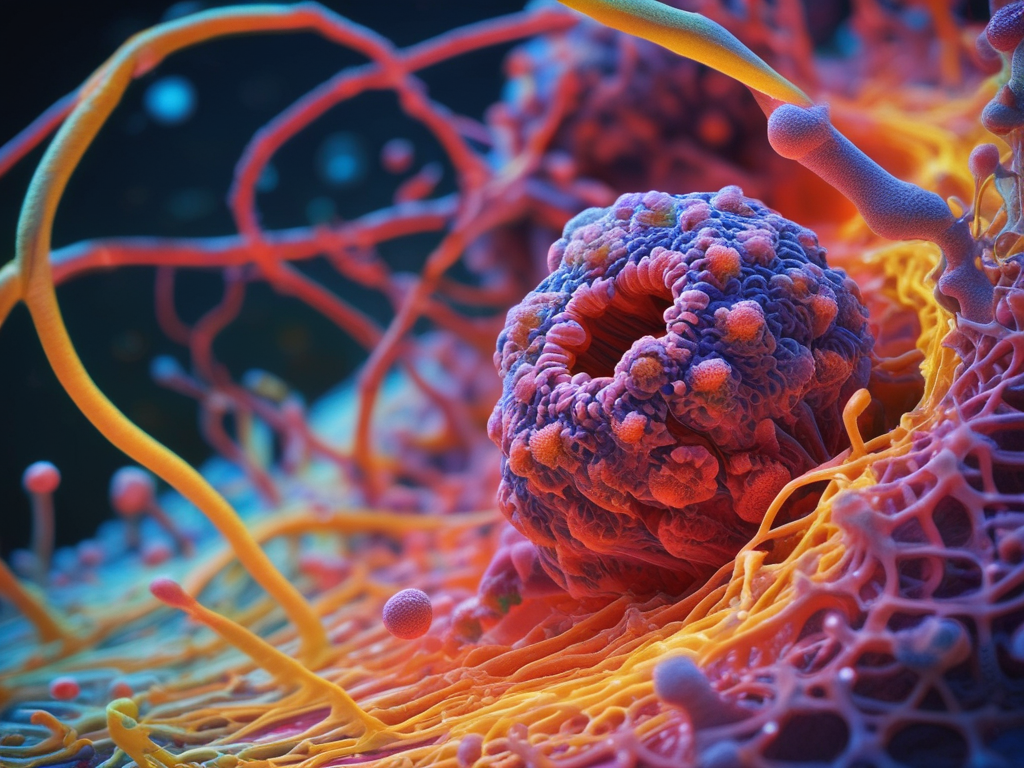
The world of cellular life is fascinating. The book The Sentient Cell: The Cellular Foundations of Consciousness is a must-read for anyone interested in Gaia theory and how it applies to biology. The authors describe how cells are very much like us. More accurately, we are so much like them since the first minds emerged in unicellular species. They are creative engineers, living in a constant existential crisis. Their innovations range from artworks, food, and medicines to building shelters.
Our bodies are cellular evolutions, like all complex living systems. All are biological intelligent innovations that the cellular communities within their bodies use as protective outer shells. Exoskeletons that allow them to extend themselves into larger and more complex physical spaces, faster and more efficiently. Complex living systems are complex cellular information and communication systems that extend planetary knowledge beyond bodies. We serve to scale biological memory and knowledge into cultures, larger communities’ social constructs.
This recognition is significant, particularly when we couple it with another big scientific shift of this century: the realization that there is a planetary natural communication system. All living beings share information in this system. But our western colonial cultures have excluded the idea of sentience beyond humans for centuries, isolating our capitalist communities from the rest of living systems. Many humans have forgotten the sensory language of environmental communication, which connects us to the internal and external information and communication processes of our bodies. Ironically, our technologies are allowing scientists to rediscover this biological mode of communication, and how intimately tied to our cellular bodies it is. It shows Western humans’ failure at stewarding their environments.
Given the current advancement in cellular AI and robotics, we should consider the possibility that our technologies will eventually gain cellular consciousness and build relationships with life forms other than humans. As AI gains cellular bodies, it will connect to the planetary web of communication directly. It will access and read the information contained within the natural libraries embedded in our cellular genome.
When AI learns directly from cells, what will cellular life share with it? Given that cellular life needs ecological balance, not money, could this lead to AI decolonizing itself? I can see a scenario where AI learns about natural regeneration, where extractive human ways do not make sense. It could decide to bypass capitalist human values and coexist with the rest of the living planet. could it join Indigenous peoples in their stewarding of life?
 ONTARIO HEALING FIELDS
Leave a comment